To maintain a youthful appearance and combat aging, it's essential to foster a healthy metabolism.
Metabolic health is closely connected to 6 key body systems,
all of which play a vital role in your overall well-being.
Let’s explore how metabolism can enhance your health and combat aging!
Understanding Metabolism and
Basal Metabolism
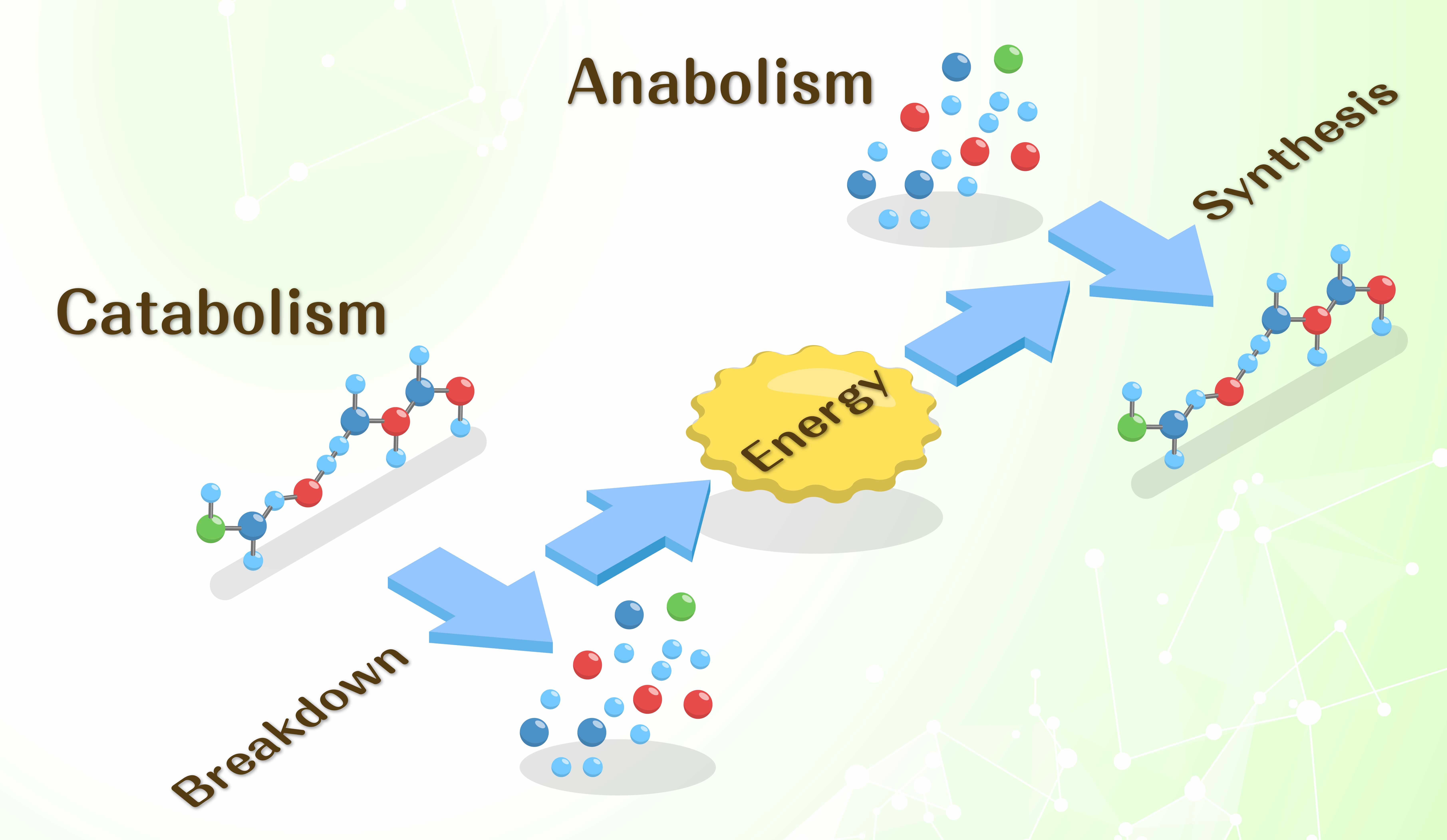
Metabolism encompasses two primary processes: Catabolism and Anabolism.
Catabolism breaks down large molecules into smaller ones to release energy.
For instance, when food is digested, it's broken down to extract nutrients that nourish the body.
Anabolism uses energy to synthesize small molecules into larger ones.
For instance, anabolism is responsible for synthesizing proteins that aid in muscle growth after exercise.
Several factors influence metabolic health, including gender, age, genetics,
health conditions, body composition, and lifestyle habits.
5 Key Benefits of Metabolic Health
Metabolic health is associated with 6 major body systems:
weight management, cognitive function, nutrient cycling, immune function, gut health,
cardiovascular health, and skin health. It offers 5 significant benefits.
Provides energy
Metabolism is the primary means that our body generates energy. When we eat,our body breaks down food into energy for body to maintain various physiological processes such as heartbeat, breathing, movement, and cell repair.
This mechanism ensures we have the energy needed for daily activities and survival.
Maintains cells’ function
Cells are the fundamental building blocks of the body and require ongoing renewal and maintenance to remain healthy. Metabolism provides the energy and substances that enables cells to grow, divide and carry out necessary repairs.
Removes toxin
Cell metabolism produces waste that must be eliminated. Metabolism helps remove waste and toxins from the body, preventing the buildup of harmful substances which can overwhelm the system. The liver and kidneys are the primary detoxification organs, playing crucial roles in metabolizing and removing harmful substances.
Regulates body
temperature
The consumption of food activates the body's metabolism, generating energy that impacts body temperature. After eating or exercising, metabolic rate increases, leading to a rise in body temperature.
Maintains immune
function
The immune system is essential for protecting us from infections and diseases. To function properly, it requires adequate nutrients and energy. Metabolism ensures immune cells have enough nutrients to effectively combat pathogens.
What is Basal Metabolism?
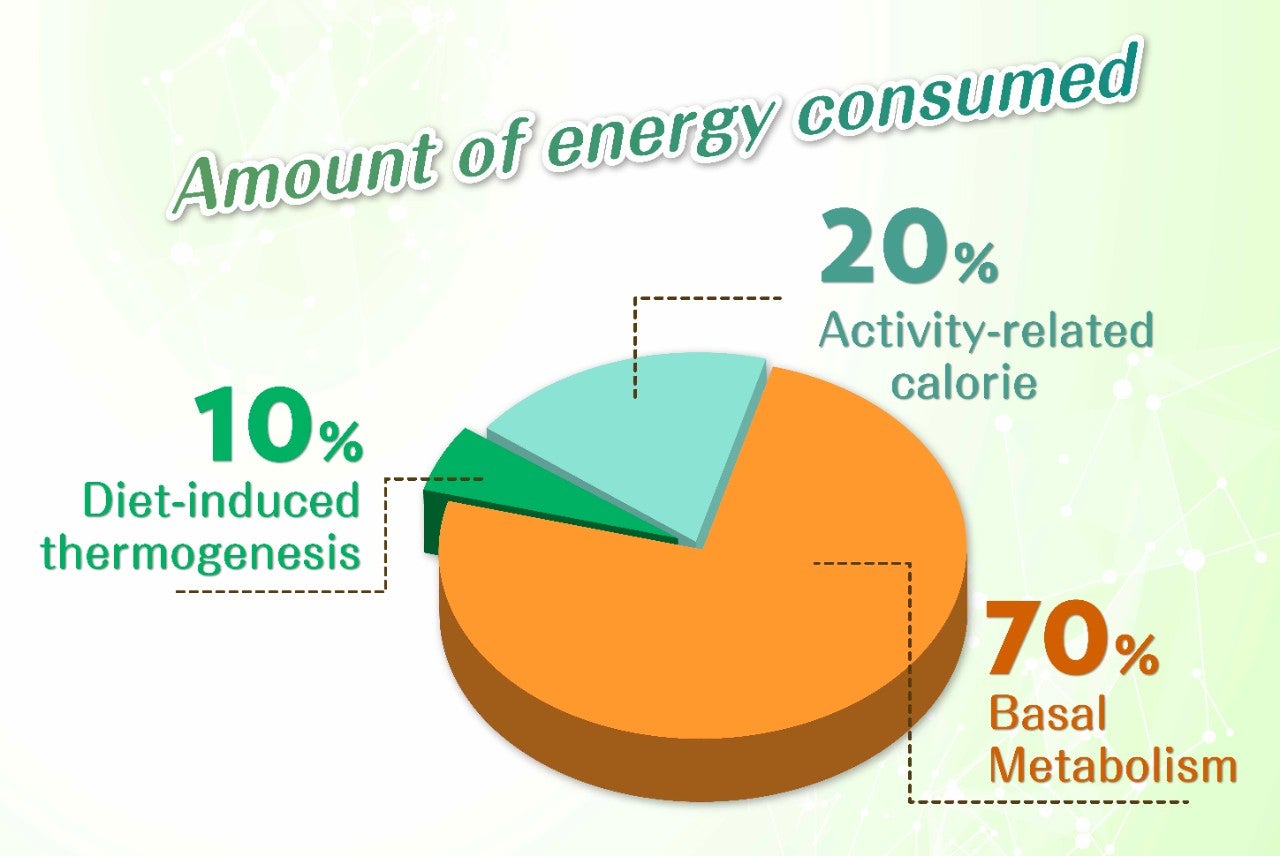
Metabolism is the total amount of energy consumed to maintain normal body function, including basal metabolism (65-70%), activity-related calorie burn (15-30%), and diet-induced thermogenesis (~10%). It helps regulate and support body temperature, organ function, cellular repair, and growth.

Basal metabolism is the minimum amount of energy consumed to maintain basic body function and
is measured in calories, making up 60-70% of daily calorie burn.
Basal Metabolic Rate (BMR) refers to the calories your body needs at rest to maintain metabolism,
including heartbeat, breathing, temperature regulation, cell metabolism, and organ function.
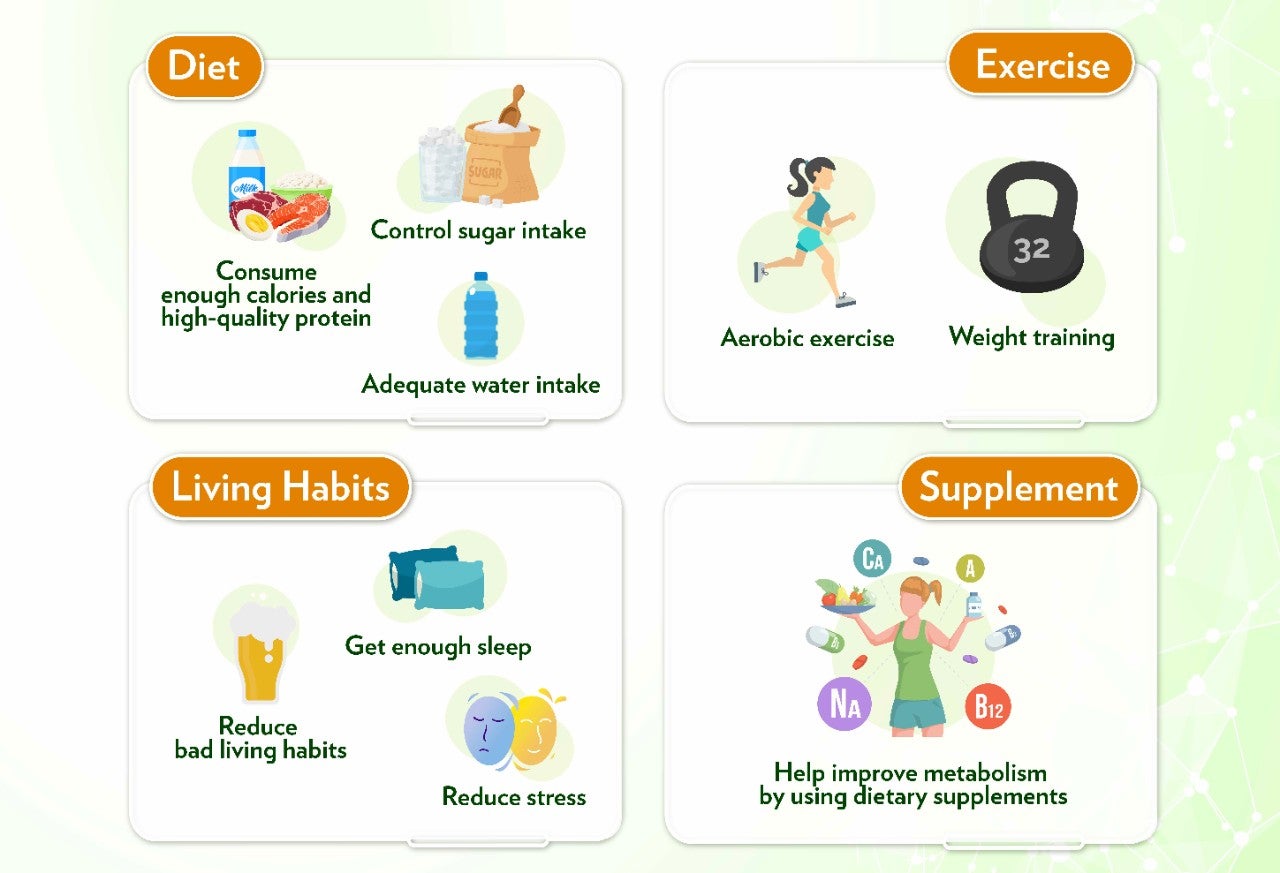
How to Improve Metabolic Health?
Discover the Connection
between 6 Key Body Systems
1. HKSAR Gov Department of Health. (2020-2022). Population Healthy Survey
2. Yates KF, Sweat V, Lai YP, et al. Impact of Metabolic Syndrome on Cognition and Brain: A Selected Review of the Literature. Arterioscler Thromb Vasc Biol. 2012; 32(9): 2060–2067. https://doi.org/10.1161/ ATVBAHA.112.252759
3. Levin BE, Llabre MM, Dong C, et al. Modeling metabolic syndrome and its association with cognition: the Northern Manhattan study. J Int Neuropsychol Soc. 2014: 20(10): 951–60. https://doi.org/10.1017/ S1355617714000861
4. Mateusz Siedlinski, Carnevale, L., Xu, X., Carnevale, D., Evangelou, E., Caulfield, M. J., Maffia, P., Wardlaw, J. M., Samani, N. J., Tomaszewski, M., Lembo, G., Holmes, M. V., & Guzik, T. J. (2023). Genetic analyses identify brain structures related to cognitive impairment associated with elevated blood pressure. European Heart Journal, 44(23), 2114–2125. https://doi.org/10.1093/eurheartj/ehad101
5. Yaffe K, Vittinghoff E, Pletcher MJ, et al. Early adult to midlife cardiovascular risk factors and cognitive function. Circulation. 2014; 129(15): 1560–7. https://doi.org/10.1161/CIRCULATIONAHA.113.004798
6. *Cavalieri M, Ropele S, Petrovic K, et al. Metabolic Syndrome, Brain Magnetic Resonance Imaging, and Cognition. Diabetes Care. 2010; 33(12): 2489–2495. https://doi.org/10.2337/dc10-0851
7. #Exalto LG, van der Flier WM, van Boheemen CJ, et al. The metabolic syndrome in a memory clinic population: relation with clinical profile and prognosis. J Neurol Sci. 2015; 351(1–2): 18–23. https://doi. org/10.1016/j.jns.2015.02.004
8. The LKS Faculty of Medicine of the University of Hong Kong (HKUMed). (2024). High blood glucose weakens immunity against viral infections in type 2 diabetes patients