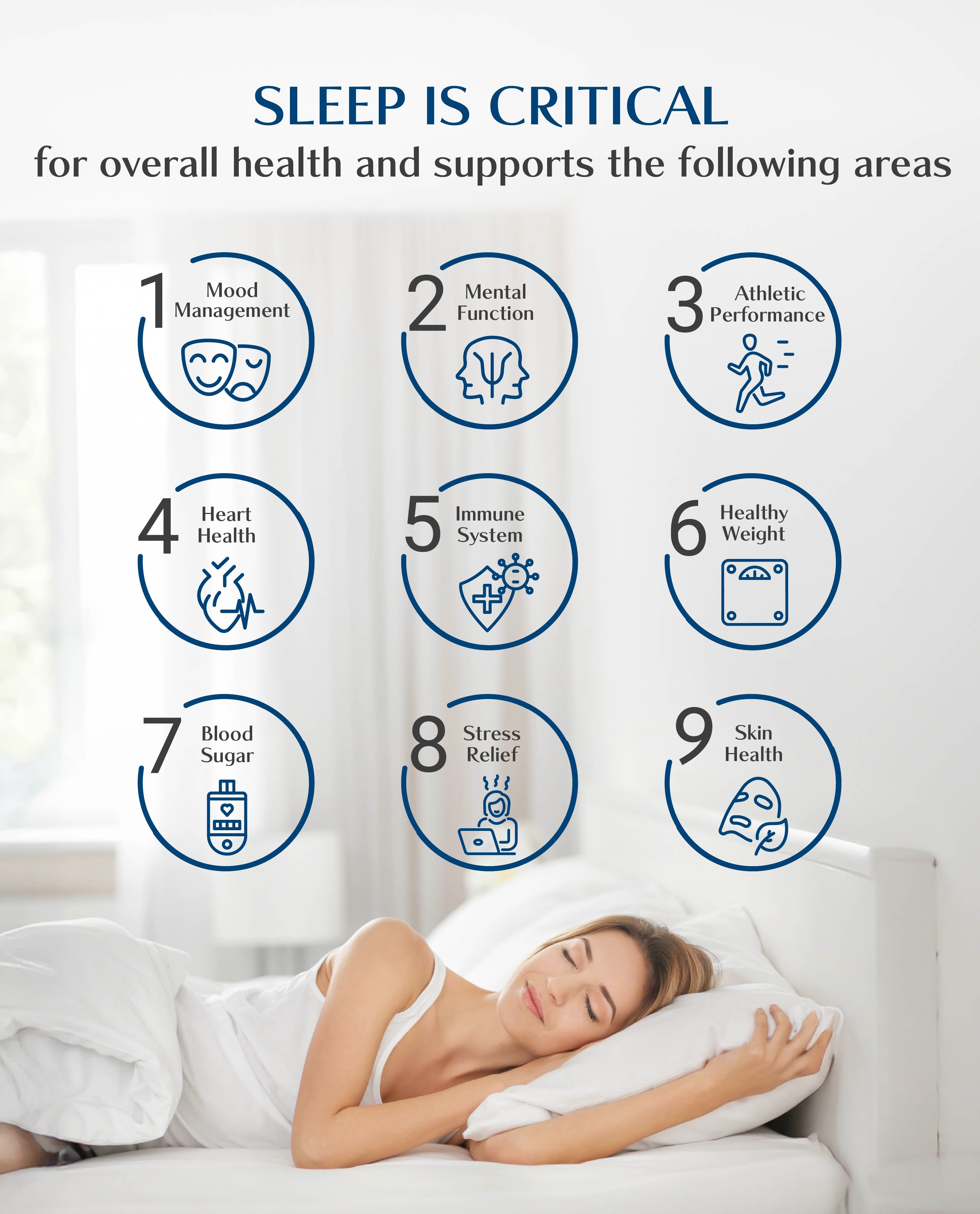
Do you know that sleeping quality greatly impacts your overall health?
“Did you sleep well?”
This question not only serves as a gentle reminder but also highlights a critical concern in your overall health.
Research shows that 46% of interviewers say they are not getting enough sleep,
and 70% have started to experience one or more sleeping challenges in recent years.
Half of the Hong Kong population faced sleep deprivation, which increases their risk of death
A survey conducted in September 2023 on people's sleeping habits in Hong Kong revealed that
nearly half (49%) of the population gets only 6 hours or less of sleep each day.
This is significantly below the adult’s recommended daily sleep duration of 7 to 9 hours.
Furthermore, a 22-year study found that adults who slept for less than 7 hours per day
have an increased risk of death:
Specifically, women would have a 21% higher risk, while men would face a 26% higher risk.
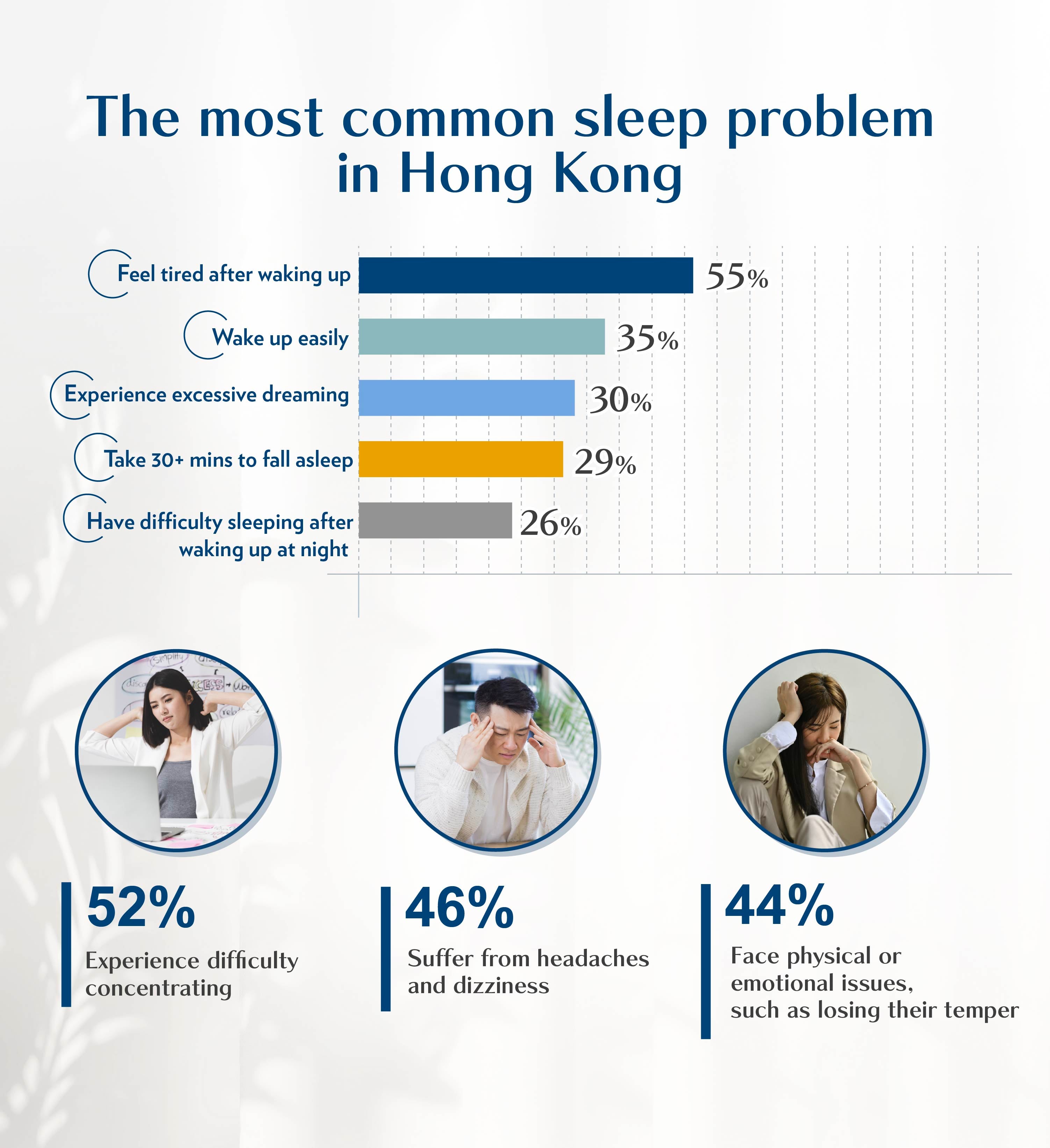
Sleep problems lead to poor sleep quality
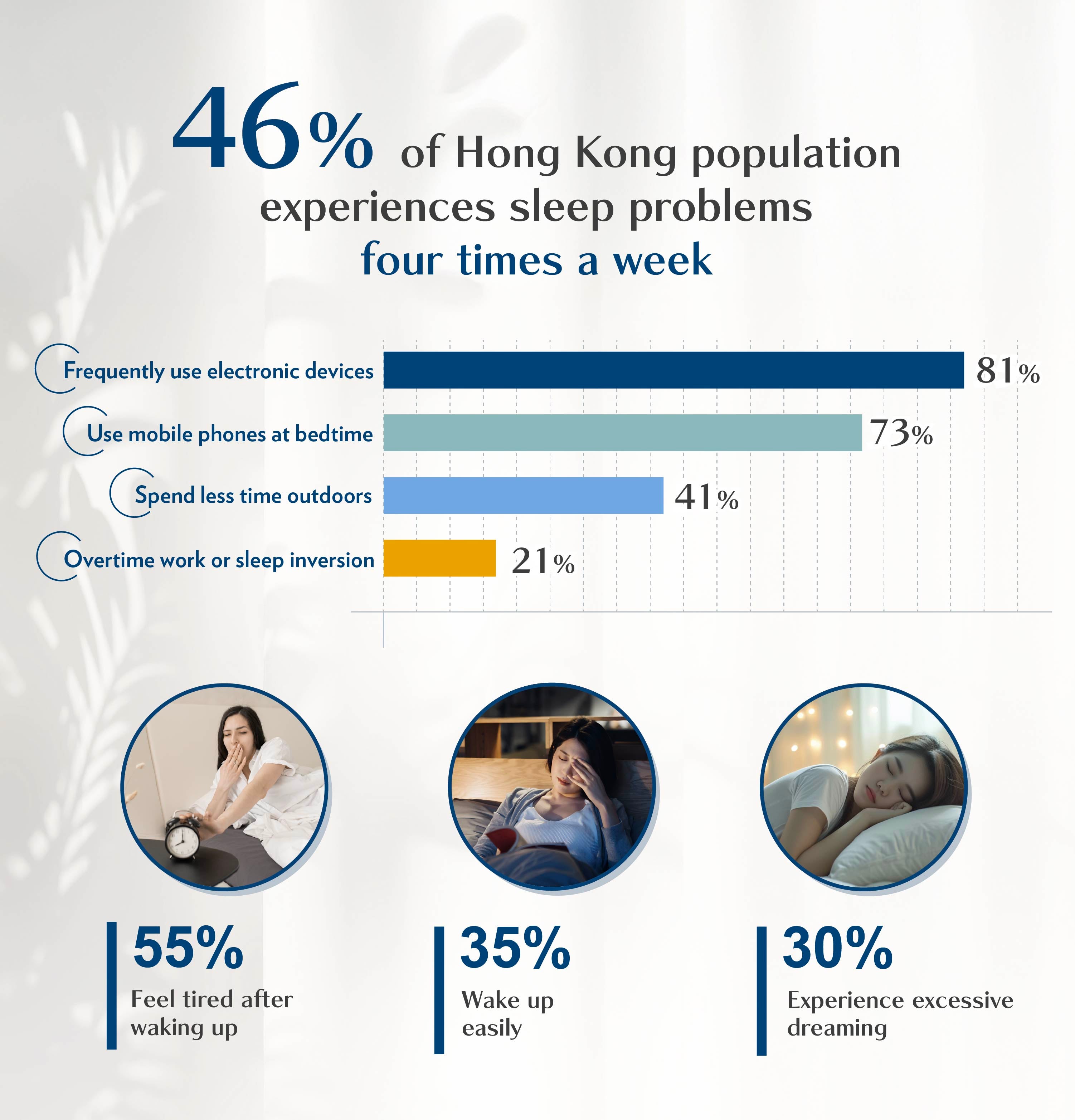
Lifestyle habits are a critical factor
influencing the quality of sleep
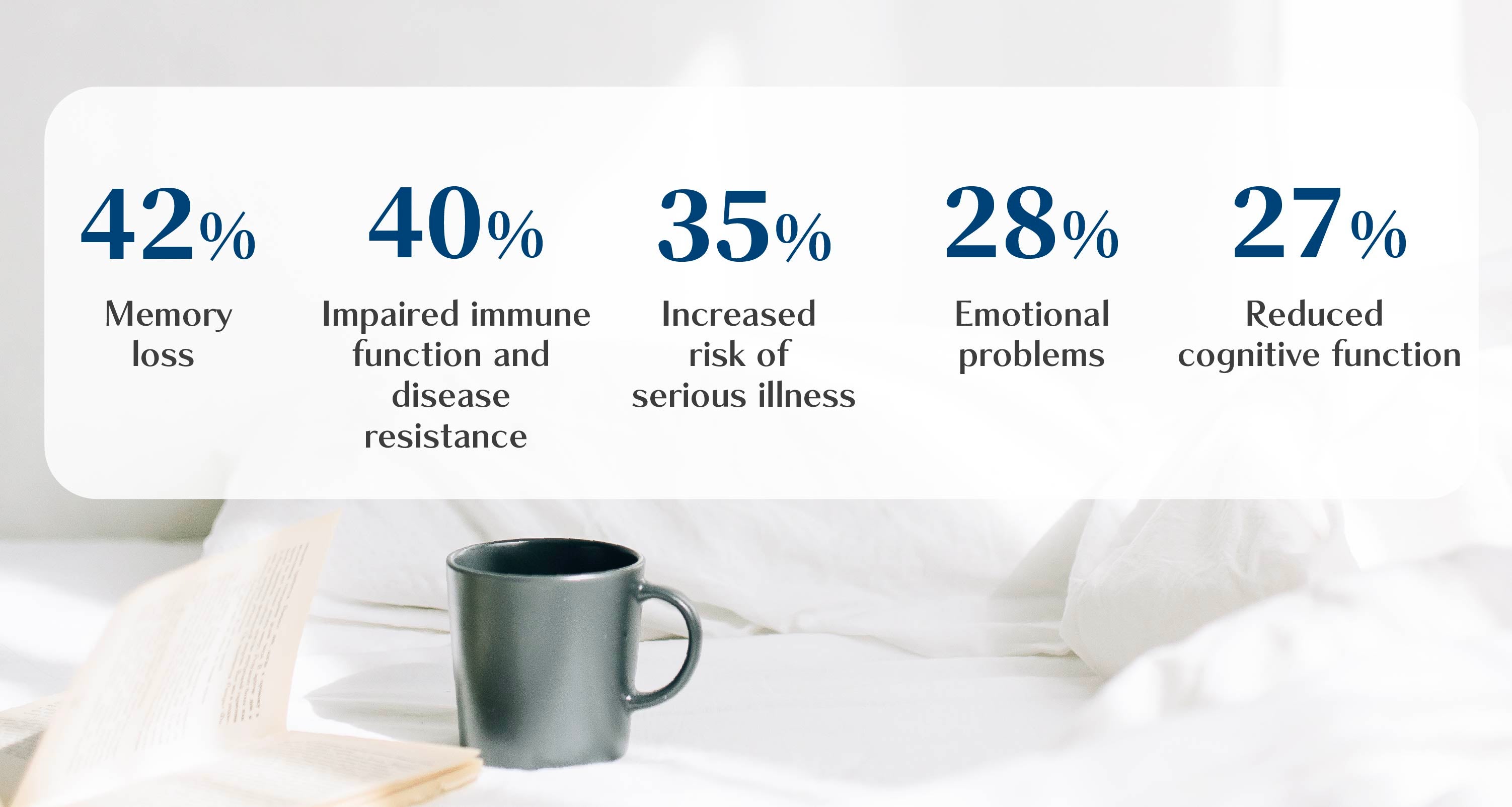
Hongkongers are concerned about
the severe impact of sleep problems
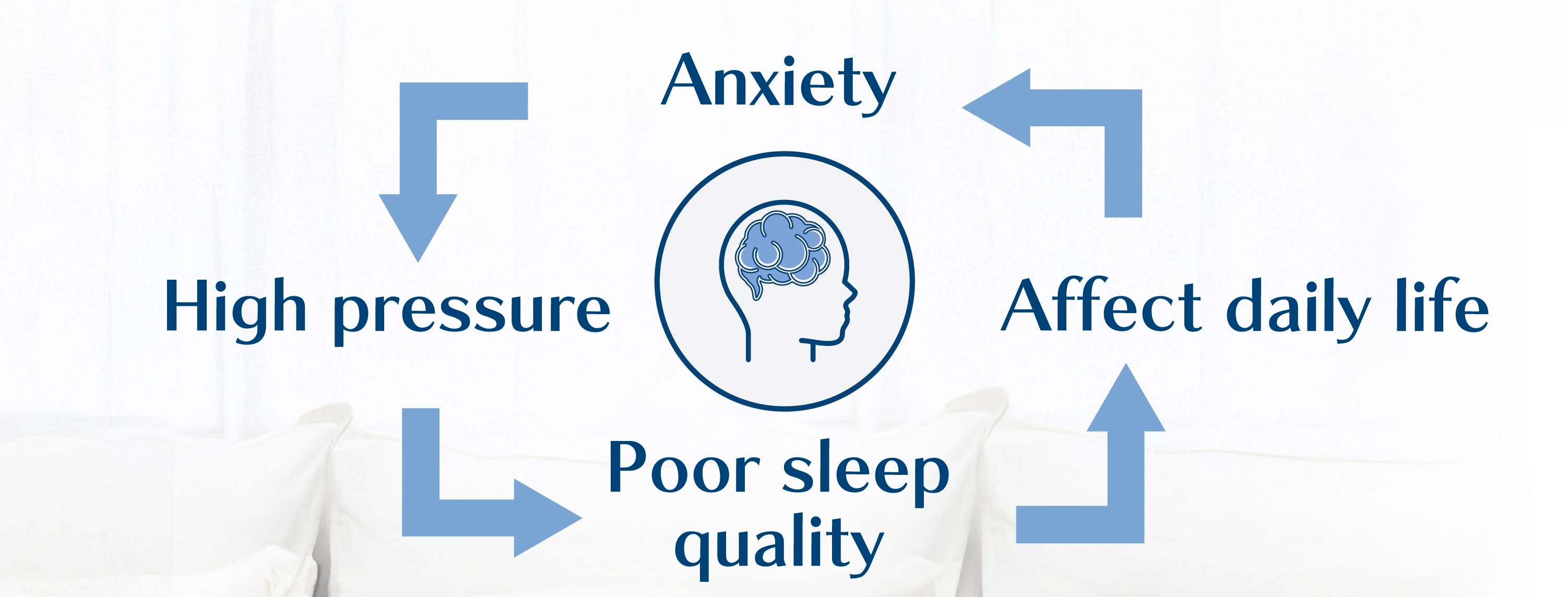
The vicious cycle of sleeping problem
Poor sleep quality can lead to various sleep problems,
negatively affecting our overall health and daily life.
The negative impacts may worsen over time if we fail to address these sleep problems.
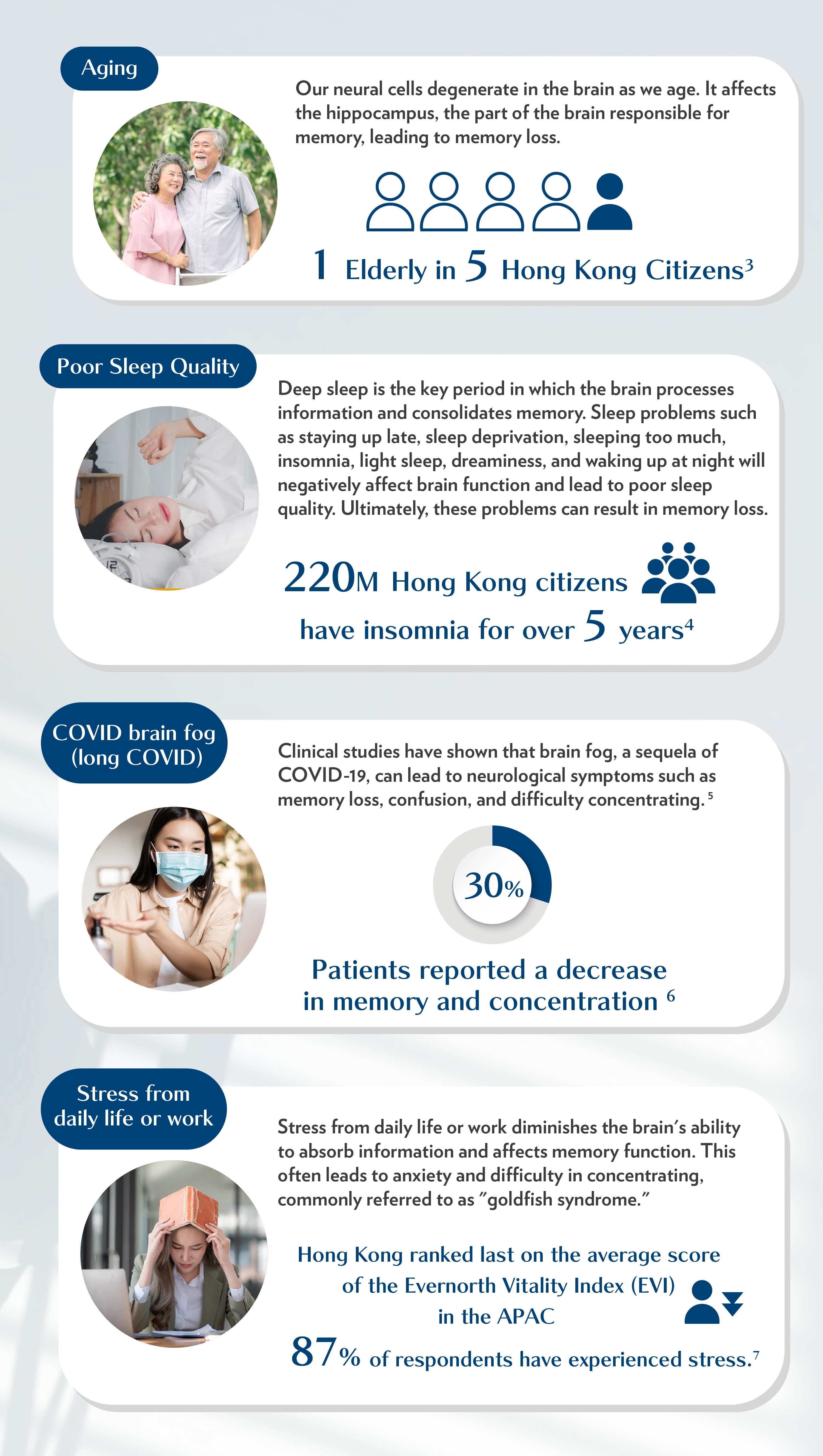
There are four main reasons that cause memory loss including:
aging, poor sleeping quality, COVID brain fog (long COVID) and
stress from daily life or work.
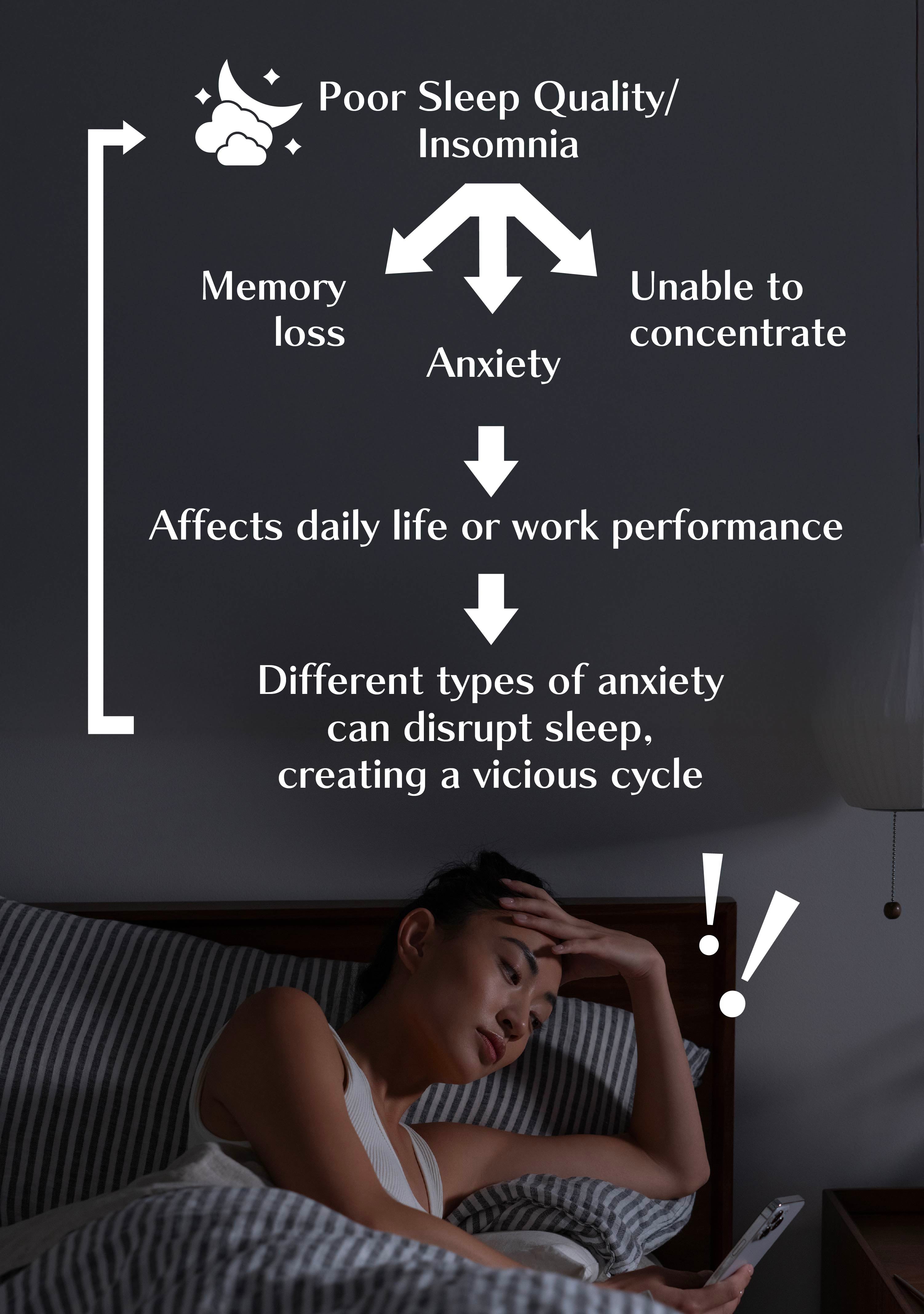
Anxiety impacts sleep significantly
Anxiety impacts sleep significantly. Research has shown that approximately 90% of teenagers
with anxiety issues also experience sleeping problems.11
Sleep deprivation can worsen activity in brain areas related to anxiety,
which is the amygdala and anterior insula.
When anxiety causes insomnia or poor sleep quality,
it can negatively impact daily life performance and increase stress.
Ultimately intensifying anxiety and lead to a vicious cycle.
Adolescents and adults have declining focus time
Research indicates that adolescents have an average attention span of only 28 seconds, 12
while healthy adults can concentrate for about 15 minutes.
Furthermore, adults’ immediate attention span averages just 8.25 seconds. 13
Smartphone and Multimedia Overuse
Excessive multimedia use provides constant stimulation from images and videos, which can impair information processing, memory consolidation, concentration,
and brain development.
Irregular Daily Routine
An inconsistent resting time can lead to distractions,
while a consistent resting time can enhance focus.
Poor learning/working environment
A cluttered or distracting learning or
working environment can hinder your concentration.
Maintaining a quiet and
comfortable space can enhance your focus.
Psychological stress
Stress and anxiety can interfere with normal brain function and
decrease concentration.
Lack of Exercise
Lack of exercise reduces blood flow,
impairs brain function and
lowers concentration.
The importance of sleep quality
Sleep is an essential part of life and an important daily routine for everyone.
However, various lifestyle habits and environmental changes can negatively impact sleep quality,
leading to issues such as insomnia, difficulty falling asleep, excessive dreaming,
and feeling tired upon waking.
Poor sleep quality can result in a range of physical and mental health problems,
including memory loss, anxiety, increased stress, and difficulty concentrating.
This creates a vicious cycle, making sleep less consistent in our daily lives.
We understand sleep is vital to our overall health.
Quality sleep can significantly enhance both physical and mental wellbeing,
and further improve our sleep quality.
- Nu Skin report on Ocean Cognitive Opinions & Needs, Sept 2022, Mintel, November 2021, Philips 2021
- ESDlife. (2023). Survey on Sleeping Habit in Hong Kong
- HKSAR Gov Census and Statistics Department. (2022). Population Estimates
- Caritas Institute of Higher Education . (2022).《Insomnia Research Conference》
- Health Matters. (2020). Can COVID-19 Cause Brain Fog?
- Garrigues, Eve, et al. (2021). Journal of Infection: Post-discharge persistent symptoms and health-related quality of life after hospitalization for COVID-19
- Cigna Healthcare (2023) 《Cigna Healthcare Vitality Study 2023: Jumpstarting Your Journey to Vitality – Hong Kong Edition
- Interfering with Theories of Sleep and Memory: Sleep, Declarative Memory, and Associative Interference
- Walker, M. P. (2008). Sleep-Dependent Memory Processing. Harvard Review of Psychiatry, 16(5), 287–298. https://doi.org/10.1080/10673220802432517
- Sleep loss results in an elevation of cortisol levels the next evening
- Sleep and Anxiety in Late Childhood and Early Adolescence
- Nicholas, M.B. (2019). BBC News: How can a distracted generation learn anything?
- Microsoft. (2015). Attention Spans Statistics
- Sleep deprivation, vigilant attention, and brain function: a review
- Sleep-dependent upscaled excitability, saturated neuroplasticity, and modulated cognition in the human brain